Sweat is not just water. It carries sodium, chloride, potassium, magnesium and calcium out of the body, and sodium makes up the overwhelming majority of that loss by weight. Measurements in athletes put sweat sodium concentration somewhere between roughly 200 and 2,000 mg per liter, with most people falling nearer the middle. Sweat rates during hard training in the heat commonly run from about 0.5 to 2 liters per hour. Multiply those two ranges and you have the entire case for and against electrolyte powders in one calculation.
What electrolytes actually do
Electrolytes are minerals that carry an electrical charge in solution. Sodium and chloride sit mostly outside your cells and govern how much fluid your body holds and where it sits. Potassium sits mostly inside cells and works with sodium to maintain the membrane gradients that let nerves fire and muscles contract. Magnesium and calcium act as cofactors in that same machinery.
The important point is that your kidneys are extremely good at defending these concentrations. Blood sodium is held in a narrow band regardless of whether you eat 2,000 or 5,000 mg of sodium a day. A powder does not top up a tank. It replaces a loss, and it only matters when the loss is large enough that food and normal drinking cannot keep pace.
The sodium math for one hour of training
| Session type | Sweat rate | Approx. sodium lost |
|---|---|---|
| Indoor lifting, air conditioned | 0.3 to 0.5 L/hr | 150 to 500 mg |
| Moderate run, mild weather | 0.8 to 1.2 L/hr | 500 to 1,200 mg |
| Hard endurance work in heat | 1.5 to 2 L/hr | 1,500 to 3,000 mg |
Now set that against your diet. The FDA reports average American sodium intake at roughly 3,400 mg per day, well above the 2,300 mg daily limit in current dietary guidance. For a lifter losing a few hundred milligrams in an hour, that surplus covers the loss several times over. For someone doing two hours of interval work in July, it does not.
Who genuinely benefits
- Endurance athletes training longer than about 90 minutes, especially in heat or humidity.
- Heavy or salty sweaters. If you finish a session with white crust on your face and cap, your sweat sodium is at the high end of the range.
- People on very low carbohydrate or ketogenic diets. Lower insulin increases renal sodium excretion, which is a large part of why the first two weeks of keto feel like the flu.
- Anyone recovering from vomiting, diarrhea or a fever, where fluid and sodium losses are genuinely acute.
- Manual outdoor workers, who often sweat more across a shift than most athletes do in a session.
Everyone else is mostly buying flavored salt. That is not a scam, but it is worth knowing what you are paying for.
How to read the label
Turn the packet over and check three numbers.
Sodium per serving
This is the number that does the work. Commercial products range from about 200 mg to 1,000 mg per stick. If you are using one to replace real sweat losses, the higher end is the point. If you are sipping one at a desk, the higher end is simply extra sodium you did not need.
Potassium per serving
Most powders supply 100 to 400 mg. The adequate intake set by the National Academies is 3,400 mg daily for adult men and 2,600 mg for adult women, so a sachet contributes a rounding error. A banana and a baked potato will beat any electrolyte powder on potassium, comfortably.
Magnesium form and dose
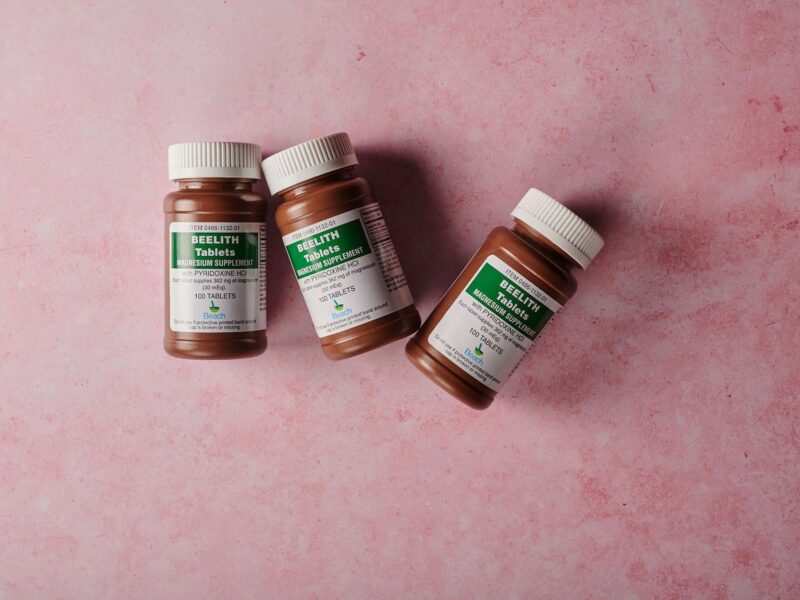
Typical products contain 50 to 100 mg against an RDA of roughly 400 to 420 mg for men and 310 to 320 mg for women. Cheaper blends often use magnesium oxide, which is poorly absorbed relative to glycinate or citrate. If magnesium is your actual goal, a dedicated supplement makes far more sense, and the differences between magnesium forms matter more than the total on the front of the box.
Make your own for pennies
A serviceable homemade mix for a liter of water:
- About a quarter teaspoon of table salt, which supplies roughly 500 to 600 mg of sodium.
- A pinch of lite salt or potassium chloride if you want the potassium.
- Optional: 20 to 40 g of juice or maltodextrin if the session is long enough that carbohydrate helps.
- Lemon or lime to make it drinkable.
This is close to what most commercial sachets deliver, minus the branding. Buy the packets if convenience is what keeps you consistent. Just do not assume the price reflects a formulation advantage.
When more is not better
Two cautions deserve attention. First, drinking very large volumes of plain water across a long endurance event can dilute blood sodium, a condition called exercise associated hyponatremia. It is uncommon but serious, and it is one of the few situations where electrolyte replacement is genuinely protective rather than optional. The American College of Sports Medicine position stand on exercise and fluid replacement recommends matching intake to sweat losses rather than drinking to a fixed schedule.
Second, if you have high blood pressure, kidney disease or heart failure, routine electrolyte powders are the wrong habit. The National Academies review of sodium and potassium intake found consistent evidence linking higher sodium intake to higher blood pressure across populations. Adding 1,000 mg per sachet on top of an already high baseline is not a neutral act. Potassium supplements carry their own risk for people on ACE inhibitors or with impaired kidney function, so check with your physician first.
One last thing worth separating out. Feeling puffy or heavy after starting a new supplement stack is often blamed on sodium when the cause is elsewhere. Creatine, for example, pulls water into muscle cells rather than under the skin, which is a different mechanism from sodium driven fluid retention and should not push you toward cutting electrolytes you actually need.
The practical verdict
Weigh yourself before and after a hard session. Every kilogram lost is roughly a liter of sweat. If you are regularly dropping more than a liter per session, or training beyond 90 minutes in heat, an electrolyte product earns its place. If you are doing 45 minutes indoors and eating a normal diet, water and your next meal already have it covered.
References
- National Academies of Sciences, Engineering, and Medicine. Dietary Reference Intakes for Sodium and Potassium. National Academies Press. 2019.
- NIH Office of Dietary Supplements. Potassium: Fact Sheet for Health Professionals.
- NIH Office of Dietary Supplements. Magnesium: Fact Sheet for Health Professionals.
- Sawka MN, et al. American College of Sports Medicine Position Stand: Exercise and Fluid Replacement. Medicine and Science in Sports and Exercise. 2007.
- U.S. Food and Drug Administration. Sodium in Your Diet: Use the Nutrition Facts Label and Reduce Your Intake.